Are you left wondering when your insurance claim will be resolved? The uncertainty can be frustrating, especially when you’re relying on the payout to recover from a loss.
The insurance claim timeline can vary significantly based on several factors, including the type of claim, the complexity of the case, and the efficiency of the insurance company.
Understanding these factors is crucial to managing your expectations and navigating the process effectively. In this article, we’ll explore the typical stages of an insurance claim and what influences the overall processing time.
Key Takeaways
Table of Contents
- Factors influencing insurance claim processing times
- Typical stages involved in an insurance claim
- Tips for managing your insurance claim efficiently
- Common challenges in the insurance claim process
- How to track the status of your insurance claim
Understanding the Insurance Claim Process
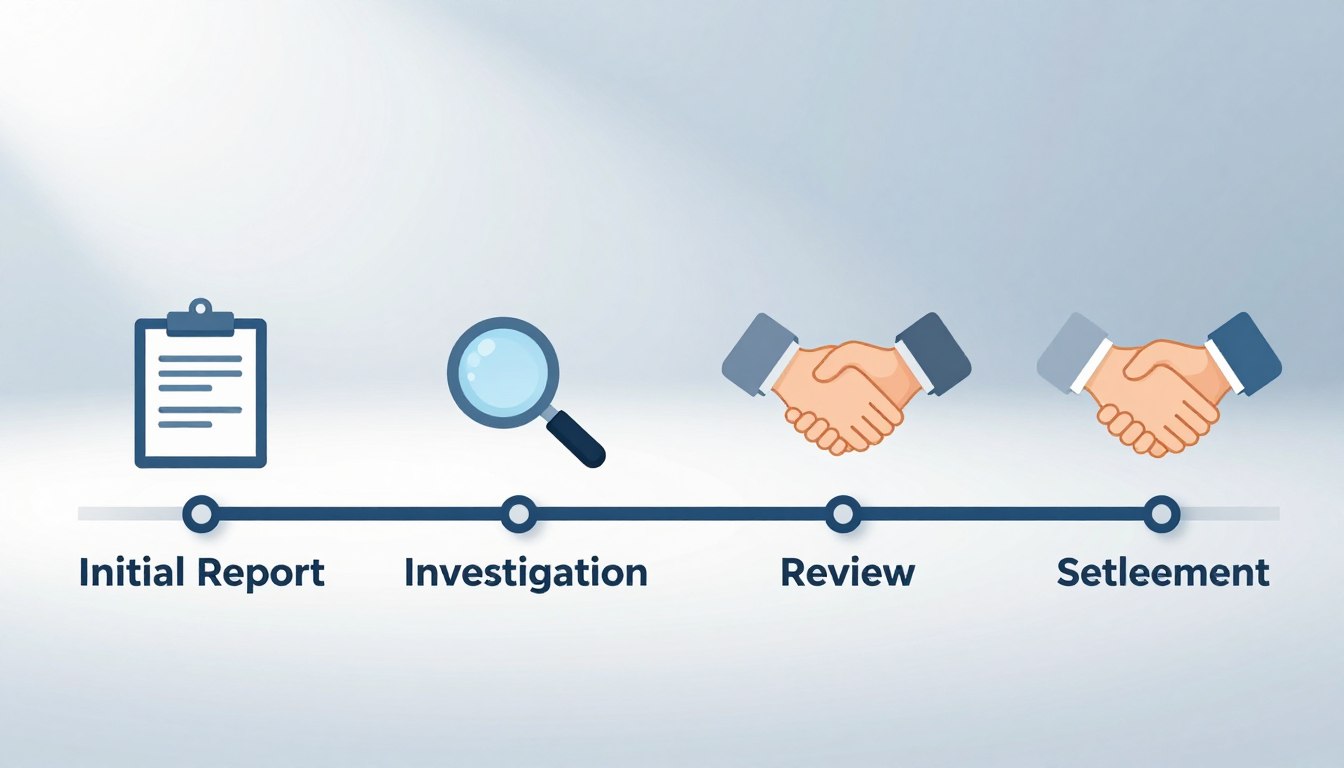
Navigating the insurance claim process can seem daunting, but understanding its components can make it more manageable. When you file a claim, you’re initiating a process that involves several key steps, from initial contact with your insurance company to the final settlement of your claim.
The Basic Steps of Filing a Claim
Filing an insurance claim typically begins with notifying your insurance provider about the incident or loss. This can usually be done over the phone or through the company’s website. The insurer will then guide you through the necessary steps, which may include filling out a claim form and providing detailed information about the incident.
Initial Documentation Requirements
The initial documentation required for an insurance claim can vary depending on the type of claim. Common documents include proof of loss, police reports (for theft or vandalism), medical records (for health or personal injury claims), and repair estimates. It’s essential to provide accurate and comprehensive documentation to support your claim.
Claim Assignment and Investigation
Once your claim is filed, it will be assigned to an insurance adjuster who will investigate the claim. The adjuster’s role is to assess the damage, determine the extent of the insurance company’s liability, and negotiate a settlement. The investigation may involve inspecting the damage, reviewing police or medical reports, and interviewing witnesses.
As noted by the Insurance Information Institute, “The adjuster’s investigation is a critical step in the claim process, as it helps to ensure that the claim is handled fairly and efficiently.”
| Claim Type | Typical Documentation Required |
|---|---|
| Auto Insurance | Police report, repair estimates, photos of damage |
| Home Insurance | Proof of loss, repair estimates, inventory of damaged items |
| Health Insurance | Medical records, billing statements, claim forms |
How Long Does an Insurance Claim Take: Typical Timelines
When it comes to insurance claims, the waiting game can be frustrating without a clear understanding of the typical timelines. Different types of insurance claims have varying processing times, influenced by factors such as the complexity of the claim and the efficiency of the insurance company.

Auto Insurance Claims
Auto insurance claims typically take anywhere from 7 to 30 days to process. The timeframe can be shorter for straightforward cases involving minimal damage, while more complex claims involving injuries or significant property damage may take longer.
Home Insurance Claims
Home insurance claims generally take between 15 to 45 days to resolve. Claims involving significant damage or disputes over coverage can extend beyond this period.
Health Insurance Claims
Health insurance claims usually take between 30 to 60 days to process. The exact timeframe can depend on the complexity of the medical treatment and the completeness of the documentation provided.
Life Insurance Claims
Life insurance claims also typically take between 30 to 60 days. The process involves verifying the claim, reviewing the policy details, and assessing any additional benefits.
State-Specific Timeframe Requirements
It’s important to note that some states have specific regulations governing how long an insurance company has to process a claim. For instance, certain states mandate that insurance companies settle claims within a specific timeframe, such as 30 or 45 days, after receiving all necessary documentation.
Understanding these state-specific requirements can help policyholders manage their expectations and follow up with their insurance company if necessary.
Factors That Affect Claim Processing Time
Insurance claim processing times can vary significantly due to a range of factors. Understanding these elements can help policyholders better navigate the claims process and set realistic expectations for resolution.
Complexity of the Claim
The complexity of a claim is a significant factor in determining processing time. Claims involving extensive damage, multiple parties, or requiring specialized assessments take longer to resolve. For instance, a claim for a minor auto accident with clear liability can be processed much quicker than a claim involving a complex health issue with multiple treatments and disputed liability.
Completeness of Documentation
The completeness and accuracy of the documentation provided with a claim significantly impact processing time. Claims with thorough and accurate documentation are typically processed faster than those with incomplete or inaccurate information. Policyholders should ensure they provide all required documents promptly to avoid delays.
Insurance Company Policies
Different insurance companies have varying policies and procedures for handling claims, which can affect processing times. Some insurers may use advanced technology to streamline the process, while others might have more manual procedures that can slow things down.
Third-Party Involvement
Claims involving third parties, such as other insurance companies or legal representatives, can complicate and prolong the processing time. Coordination between multiple entities requires additional time and communication.
Catastrophic Events and High Claim Volumes
During catastrophic events or periods of high claim volumes, insurance companies often experience a surge in claims, leading to longer processing times. Insurers must allocate resources efficiently to manage the increased workload.
| Factor | Impact on Claim Processing Time | Policyholder Action |
|---|---|---|
| Complexity of the Claim | Increases processing time for complex claims | Provide detailed documentation |
| Completeness of Documentation | Delays processing for incomplete documentation | Ensure all documents are accurate and complete |
| Insurance Company Policies | Varies by company; some process faster than others | Understand your insurer’s procedures |
Step-by-Step Guide to Filing an Efficient Claim
Efficiently filing an insurance claim requires attention to detail and a clear understanding of the process. By following a systematic approach, you can ensure that your claim is processed smoothly and potentially faster.
Step 1: Document Everything Immediately
After an incident, it’s crucial to document everything immediately. This includes taking photos, gathering witness statements, and keeping a record of any correspondence related to the incident. Immediate documentation helps prevent details from being forgotten and provides strong evidence for your claim.

Step 2: Contact Your Insurance Company Promptly
Notify your insurance company about the incident as soon as possible. They will guide you through the initial steps and provide the necessary forms. Prompt notification can expedite the claim process.
Step 3: Complete All Required Forms Accurately
Fill out the claim forms accurately and thoroughly. Inaccurate or incomplete information can lead to delays. Double-checking your forms before submission can prevent unnecessary back-and-forth with your insurance company.
Step 4: Submit Supporting Evidence and Documentation
Along with the claim forms, submit all supporting evidence and documentation. This may include medical records, police reports, and repair estimates. Comprehensive documentation supports your claim and can lead to a faster resolution.
| Documentation Type | Description | Importance |
|---|---|---|
| Medical Records | Details of medical treatment received | High |
| Police Reports | Official report of the incident | High |
| Repair Estimates | Quotes for repairs or replacements | Medium |
Step 5: Follow Up Regularly on Your Claim Status
After submitting your claim, follow up regularly with your insurance company to check on the status.
“Regular follow-ups can help keep your claim on track and ensure that any issues are addressed promptly,”
says an insurance expert. Keeping a record of your interactions can also be helpful.
By following these steps, you can facilitate a more efficient claim process. Remember, the key is to be thorough, prompt, and persistent in your communications with your insurance company.
What to Do When Your Claim Is Delayed
Dealing with a delayed insurance claim can be frustrating, but knowing the right steps can help resolve the issue efficiently. Insurance companies process claims based on various factors, and delays can occur due to incomplete information, complex claim scenarios, or high volumes of claims.
Identifying Unreasonable Delays
The first step is to determine if the delay is reasonable. Check your insurance policy for the expected processing time. If the delay exceeds this timeframe, it’s considered unreasonable. Keep a record of all communication with your insurer, including dates and details of conversations.
Escalating Within the Insurance Company
If you believe your claim is unreasonably delayed, escalate the issue within the insurance company. Start by contacting your claims adjuster or representative. If this doesn’t resolve the issue, ask to speak with a supervisor or someone who can review your claim’s status.
Filing a Complaint with State Insurance Regulators
When escalating within the company doesn’t work, you can file a complaint with your state’s insurance regulator. They can investigate and help resolve disputes between you and your insurer. Ensure you have all relevant documentation before filing.
When to Consider Legal Action
If all else fails, you may need to consider legal action against your insurance company. This should be a last resort, as it can be time-consuming and costly. Consult with an attorney specializing in insurance law to understand your options.
To avoid delays, it’s crucial to stay proactive and informed. Regularly follow up on your claim status, and don’t hesitate to seek help when needed.
- Monitor your claim’s progress regularly.
- Keep detailed records of all interactions.
- Understand your policy coverage before filing.
Tips to Speed Up Your Insurance Claim
Speeding up your insurance claim requires a combination of preparation, persistence, and the right approach. By understanding the factors that influence claim processing and taking proactive steps, you can potentially reduce the time it takes to receive a settlement.
Maintain Clear and Consistent Communication
One of the key factors in speeding up your insurance claim is maintaining clear and consistent communication with your insurance company. Ensure that you respond promptly to requests for information and keep a record of all interactions.
Keep Detailed Records of All Interactions
Keeping detailed records of all interactions with your insurance company can help prevent misunderstandings and delays. This includes noting the date, time, and details of conversations, as well as saving emails and letters.
Understand Your Policy Coverage Before Filing
Before filing a claim, it’s crucial to understand your policy coverage. Review your policy documents to know what is covered and what is not, which can help you prepare the necessary documentation and avoid potential disputes.
Consider Hiring a Public Adjuster for Complex Claims
For complex claims, consider hiring a public adjuster who can advocate on your behalf and help navigate the claims process. Public adjusters are professionals who can assist in preparing and presenting your claim.
Use Digital Tools and Apps for Faster Documentation
Utilizing digital tools and apps can streamline the documentation process, making it easier to gather and submit the necessary paperwork. Many insurance companies offer apps that allow you to upload documents and track the status of your claim.

By implementing these strategies, you can potentially expedite the insurance claim process and receive a settlement more quickly. Remember, the key is to be proactive, stay organized, and maintain open lines of communication with your insurance provider.
Conclusion
Navigating the insurance claim process can be complex, but being informed can significantly reduce stress and uncertainty. The time it takes for an insurance claim to be processed varies widely depending on several factors, including the type of insurance, complexity of the claim, and the efficiency of the insurance company.
A summary of the insurance claim process reveals that understanding the basic steps, from initial documentation to claim assignment and investigation, is crucial. Auto, home, health, and life insurance claims each have different typical timelines, ranging from a few days to several months.
To ensure a smooth and efficient claim process, it’s essential to document everything immediately, contact your insurance company promptly, and follow up regularly on your claim status. By being proactive and informed, you can better manage your expectations and reduce the time it takes for your claim to be processed.
By understanding how long an insurance claim takes and the factors that influence it, you can navigate the system more effectively and achieve a more satisfactory outcome.